Where are you moving to?
How to Find the Right 2 Bedroom Apartment for Rent
Table of contents
- Introduction: Focusing on 2-Bed Apartments Makes Sense
- What Are National Benchmarks (So You Know What's Reasonable)
- How to Compare Amenities and Prices Across Listings
- Best Websites and Platforms for Finding 2-Bed Rentals
- Step-By-Step Search Strategy
- 12 Questions You Must Ask Before Signing
- Budget Tips & Unknown Expenses to Consider
- Real-World Examples & Comparisons
- When Be Flexible (and When Not)
- Final Thoughts: Be Smart, Be Prepared, Be Patient
Introduction: Focusing on 2-Bed Apartments Makes Sense
Are you sharing with roommates, starting a small family, or needing more space than a one-bedroom allows? A two-bedroom apartment often makes the best fit for many renters, providing that extra space needed for an office, guest space, or storage without being overly costly and large.
Hunting for the perfect 2-bedroom can be daunting. There are numerous factors to consider, including location and amenities, price, lease term length, and hidden costs, as well as comparison listings, where to look, what questions to ask, and how to optimize your decision. This post walks through how to approach this search effectively—how to compare listings, where and what questions to ask, as well as optimizing your decision-making.
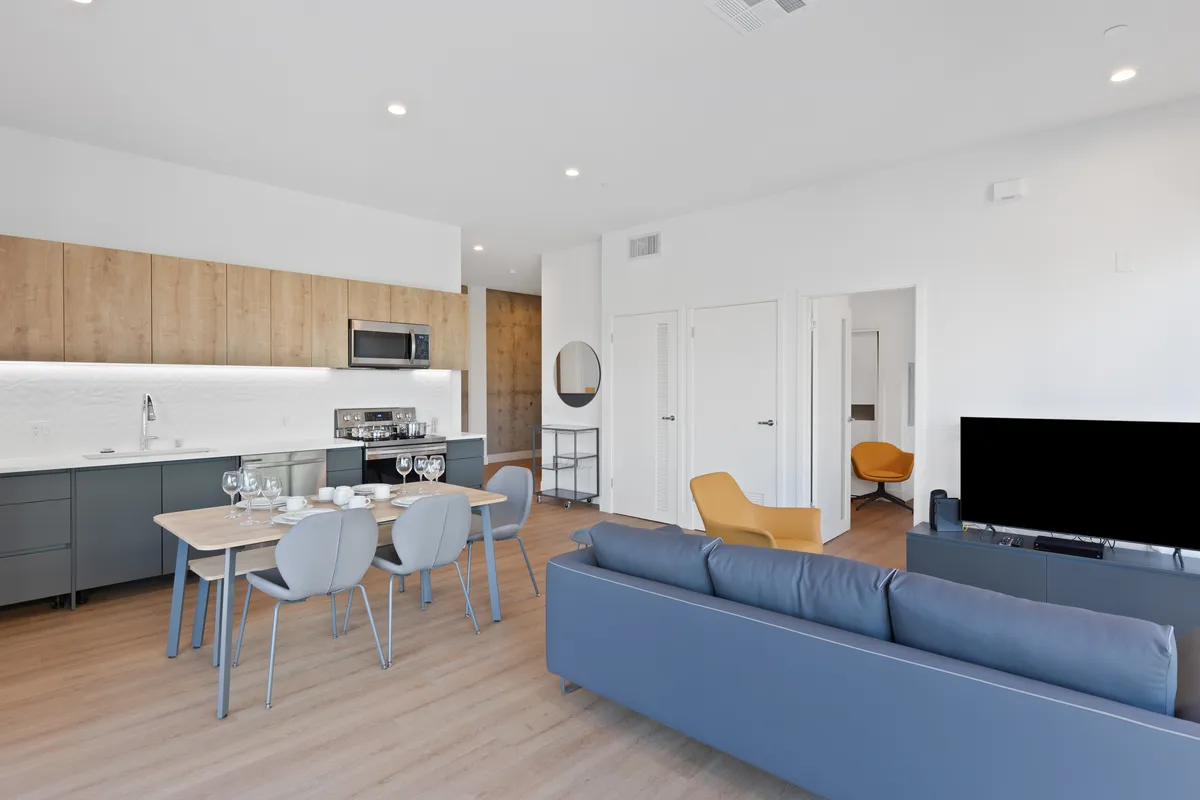
What Are National Benchmarks (So You Know What's Reasonable)
To accurately judge whether a rent is high or low, reference data is needed. Here are a few benchmarks:
- Apartments.com has reported that the current national average rent for 2-bedroom apartments is $1,901/month (997 sq ft).
- ApartmentAdvisor shows median rents across the U.S. as follows:
- Studio: $1,650
- One Bedroom: $1,600
- Two Bedrooms: $1,700
- Nasdaq/Fair Market Rent data indicates wide variations depending on which state one lives in—two-bedroom fair market rents can range anywhere from under $1,000 in lower-cost areas to well over $2,000 in high-cost states.
So if someone offers you a 2-bedroom for $3,000 in a mid-tier city, ask why they are charging such an excessive premium.
How to Compare Amenities and Prices Across Listings
Multiple listings may appear similar but contain significant distinctions that must be scrutinized closely:
Inclusion vs Exclusion:
- Utilities: Heating, water, electricity, and internet can all vary significantly across listings.
- Parking, storage, garbage fees, and pet rent.
- Maintenance: Does the landlord cover repairs themselves, or do you cover minor fixes yourself?
Layout & Usable Space
- A two-bedroom with weird hallways, wasted corners, or small closets may feel more cramped than its one-bedroom counterpart.
- When considering usable space, one needs to consider how many "dead zones" (useless hallway space or odd angles) there are.
Location and Convenience
- A cheaper 2-bed far from transit or major roads may cost more in time, gas, or transit fares than expected.
- Walking access, grocery store availability, local shops, and security should also be taken into consideration.
Quality of Building/Age/Upgrades
- Newer buildings tend to come equipped with superior insulation, higher ceilings, smart home features, and better finishes (hardwood, stone, or better appliances).
- Older properties may still possess charm but could lack soundproofing or modern systems.
Lease Flexibility & Rules
- Some rental units require 12-month leases, while others may offer 6- or even shorter-term agreements.
- Subletting, lease-break penalties, and guest policies must all be reviewed carefully.
Security & Maintenance Reputation
- Read reviews online about maintenance to evaluate how quickly repairs are responded to.
- Are there security systems, strong locks, and adequate lighting in common areas?
Best Websites and Platforms for Finding 2-Bed Rentals
To search wide and narrow intelligently for 2-bed rentals, here are the platforms landlords and renters trust:
- Apartments.com / Rent.com / Apartment Guide—large inventories with good filters, photos, maps.
- Zillow Rental Manager—Immensely popular, easy user interface, and often being the first to list new units.
- Tripalink (especially for student coliving or turnkey apartments)—valuable services in markets where it operates.
- Specialty and local platforms—Local property management sites can often hide great bargains.
- Aggregate lists and blogs—for instance, "Top Websites to Find Apartments" guides.
Utilise multiple platforms, set alerts, and filter aggressively so you see new listings early.
Step-By-Step Search Strategy
To strike the ideal balance between speed, quality, and safety when searching for apartments for rent:
Set Your Range
Define a Maximum Rent Included Utilities. Make use of national benchmarks to ascertain if a property listing is too expensive or worth it.
Narrow by location
Emphasize neighborhoods close to your job, school, or transit hubs and consider commute time as well as distance as a filter.
Filter aggressively
Bathrooms count, amenities (washer/dryer, parking, and pet policies), and year built. Quickly find suitable listings.
Rank your top 5 candidates
Don’t fall in love too early. Keep a shortlist of apartments you plan to visit or contact.
Schedule in-person and virtual tours
Ask to see the exact unit, not a model. Inspect windows, lighting, noise level, closet space, and plumbing as part of the tour process.
Ask Your Key Questions (see next section)
Clarify costs, lease terms, repairs, guest policies, or anything ambiguous.
Apply and Negotiate
Once you find the place that meets your criteria, move quickly. Offer longer leases in exchange for reduced rent, and be ready with all documents necessary.
12 Questions You Must Ask Before Signing
- Are utilities included, and if not, what's the average monthly cost?
- Length of lease and penalties for breaking the lease early?
- How old are the major systems (HVAC, plumbing, and roof)?
- What are the policies and associated fees regarding pet ownership?
- What are my parking options?
- How are repairs requested, and at what speed will they be addressed?
- Are there known noise issues (floors above, busy street)?
- Are there move-in or move-out fees?
- What are the rules regarding guests or subletting?
- What appliances are included (washer/dryer, fridge, and dishwasher)?
- Who inspects and deducts from units when moving out?
- Are any major repairs or construction projects scheduled in the near future?
Budget Tips & Unknown Expenses to Consider
- Always set aside 5-10% extra in case of unexpected costs (repair, new smoke detectors, or an extra knot in the wall).
- Utilities: Electricity, gas, and water costs may add up to $100-200/month, depending on climate and usage.
- Renter's insurance: $10-20/month is typically required and recommended.
- Internet/cable/streaming: $50-100 per month.
- Parking: Reserved spaces often cost extra.
- Security deposits & move-in fees: Anticipate paying up to two months' rent up front in most markets.
Real-World Examples & Comparisons
- According to data provided by Apartments.com, in 2025, the average rent for two two-bedroom apartments in Los Angeles will be roughly $3,007/month.
- Illinois currently has an estimated Fair Market Rent of roughly $1,342, making affordability an ongoing problem.
- Some renters on forums swear by using Craigslist combined with sites like Zillow to discover hidden deals.
- Tip from Tripalink's guide: use filters such as move-in date, pet options, floor plan tools, and 3D tours.
These examples serve to anchor your decisions in reality rather than speculation.
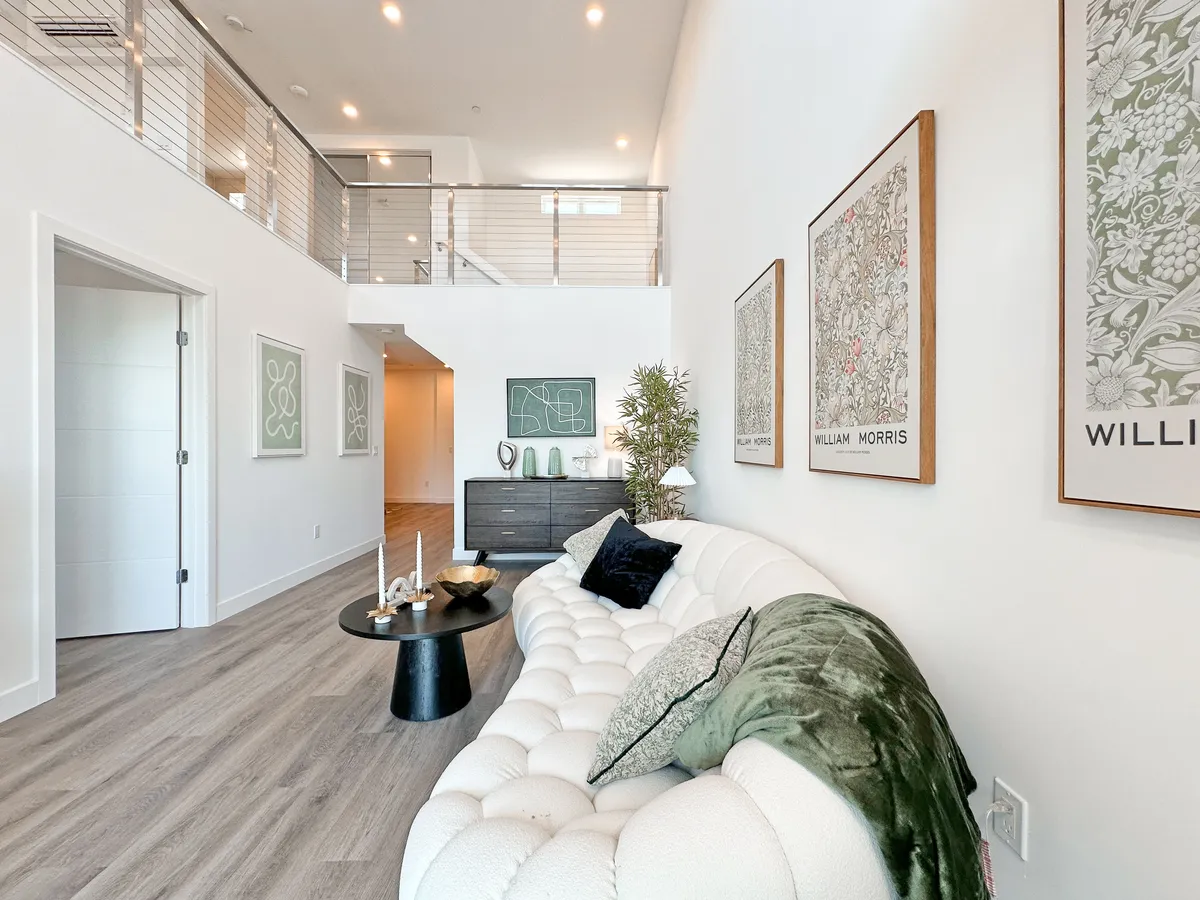
When Be Flexible (and When Not)
Be flexible with:
- Move-in dates (if you can shift by one week or two, you might find better pricing)
- Compass direction (north or west), or slight perimeter neighborhoods
- Lease length (6 months over 12 if cheaper)
Be firm on:
- Safety, repair policy, and lease clarity
- Utility and major appliances are not included
- Deposit and move-out terms
Final Thoughts: Be Smart, Be Prepared, Be Patient
Searching for an ideal 2-bedroom apartment requires both hard work and luck, but an effective strategy can improve your odds. By setting accurate benchmarks, setting strong filters, and exploring all available backup options simultaneously, you are more likely to land something that actually works well in everyday life.
This same strategy works whether your city is Los Angeles, Seattle, Pittsburgh, or anywhere else. Only price ranges and neighborhood names differ.
Undertake a thorough search, pose tough questions, and create the two-bedroom space you call "home."

Try these popular nearby searches
- Pet friendly homes for rent in Los Angeles
- Homes with Parking for rent in Los Angeles
- Homes with Private Bathroom for rent in Los Angeles
- Furnished homes for rent in Los Angeles
- Homes with EV Charging for rent in Los Angeles
- Homes with Washer/Dryer for rent in Los Angeles
- Homes with Utilities-Included for rent in Los Angeles
- Wheelchair Accessible homes for rent in Los Angeles
- Homes under $800 for rent in Los Angeles
- Homes under $900 for rent in Los Angeles
- Homes under $1000 for rent in Los Angeles
- Homes under $1200 for rent in Los Angeles
- Homes under $1400 for rent in Los Angeles
- Homes under $1500 for rent in Los Angeles
- Homes under $2000 for rent in Los Angeles
- Homes under $2500 for rent in Los Angeles
- Homes under $3000 for rent in Los Angeles
- Short Term for rent Los Angeles
- Open House for rent in Los Angeles
- Instant Move-in for rent in Los Angeles
- Special Offer for rent in Los Angeles
- Cheap homes for rent in Los Angeles
- Luxury Apartments for rent in Los Angeles
- Premier Los Angeles Home Rentals
- Best homes for Rent in Los Angeles
- 1 Bedroom homes for Rent Under $2,000 in Los Angeles
- Coliving Spaces in Los Angeles

