Where are you moving to?
Living in Koreatown: Your One-Stop Resource for Central Neighborhood Apartments in Los Angeles
Table of contents
- What is the average rent like these days?
- Finding A Place to Park in Koreatown: A Real Challenge
- How Safe Is Koreatown After Dark?
- The Koreatown Lifestyle: What Renters Like and Don't Like
- How to Rent in Koreatown Without Problems
- FAQs
You're not the only person considering apartments in Koreatown, Los Angeles. Because of its excellent food, easy access to transit, and genuinely urban atmosphere, this central, walkable neighborhood has long been one of LA's most sought-after rental markets. Let's examine what renters genuinely care about before you sign a lease, including current rent rates, parking realities, safety, and day-to-day living conditions.
What is the average rent like these days?
Depending on the size, quality of the building, and whether amenities are included, rent prices in Koreatown can vary widely. However, recent data gives us a good picture:
- Studios: about $1,500 to $2,000 a month (Source)
- 1-bedroom: about $2,000 to $2,600 a month (Source)
- 2-bedroom: about $2,500 to $3,300 a month (Source)
- 3-Bedroom: usually costs more than $3,900 a month (Source)
The average rent in Koreatown is about $2,200 a month, slightly lower than the average for the Los Angeles Metro area and unchanged since last year.
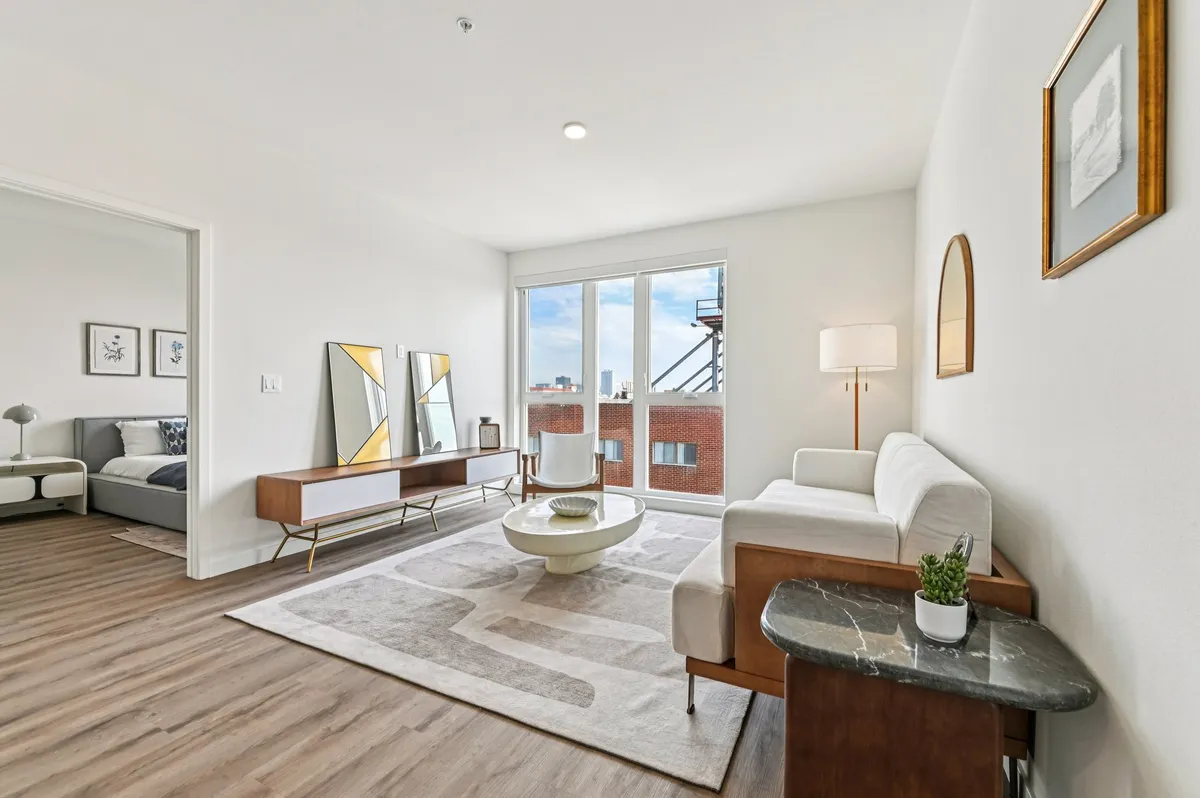
If you see a studio for less than $1,500, for example, it's a good idea to check the unit's condition, the lease terms, and whether utilities or parking are included.
Finding A Place to Park in Koreatown: A Real Challenge
The truth is that parking is one of the biggest problems for renters in Koreatown.
Because the area is dense and was built before cars became popular in LA, many older apartment buildings don't have parking or only offer it as an extra, which can cost a lot of money each month (usually $100–$300/month, depending on the building and location).
Residents say it takes them more than 30 minutes to find street parking near their homes when they don't have a spot, and competition is especially fierce on weekends and evenings.
For renters who have cars, here are some tips:
- Put listings at the top of your list that include parking in the rent.
- If it's not included, ask about assigned spaces, guest parking, and permits.
- If you need to rent a nearby lot or garage space, plan to spend more. On average, rates on sites like Spacer range from $188 to $282 a month.
Many people in the area choose not to own cars and instead use Metro buses, the Purple Line (which runs right through Koreatown), ride-sharing, biking, and walking.
How Safe Is Koreatown After Dark?
Koreatown is a lively city neighborhood, and its safety record shows that.
Crime rates vary from block to block in Koreatown, as they do in most densely populated urban areas. However, many real estate and community sources say that Koreatown's overall crime levels are similar to those in other central LA neighborhoods and not as bad as some stereotypes say. (Source)
Renters should know this:
- Not all street activity at night is dangerous. Most areas feel busy and crowded after dark because many people are walking around, eating out, and going out late at night.
- Be aware of what's going on in the city. It's usually safe to walk on well-lit streets and busy hallways, but you should be extra careful on quieter side streets after midnight.
- It's important for buildings to be safe. Controlled access, good lighting, and safe entrances can all make a place feel much safer.
In short, it's a busy city neighborhood, not a gated suburb. But with the right block, apartment features, and awareness, many people feel safe living (and walking) here at night.
The Koreatown Lifestyle: What Renters Like and Don't Like
People want to live in Koreatown because you can walk to almost everything, like coffee shops, Korean BBQ, bakeries, grocery stores, cultural sites, and even nightlife. LA has some of the best public transportation in the country, and Metro Service enables many people to live without a car.
Pros
- There are great restaurants and cultural events within walking distance.
- A strong sense of community (many people have lived there for a long time).
- A central location that makes it easy to get to Hollywood, Downtown LA, and other important areas.
- There are both old buildings and new ones.
Cons
- City living isn't always quiet because of noise and density.
- The quality of the buildings varies a lot, and older ones may need repairs. (Source)
- There isn't as much park space as there is in suburban neighborhoods.
- There can be a lot of competition for cheap units.
Most renters agree that the tradeoff (urban convenience vs. space and parking) is worth it. This is especially true for young professionals, students, and people who want to be in the middle of the action in LA.
How to Rent in Koreatown Without Problems
If you're actively looking for an apartment in Koreatown, here are some helpful tips that many experienced renters swear by:
- Before you start, make sure you know how much money you have to spend. This should include rent, parking (if needed), and utilities.
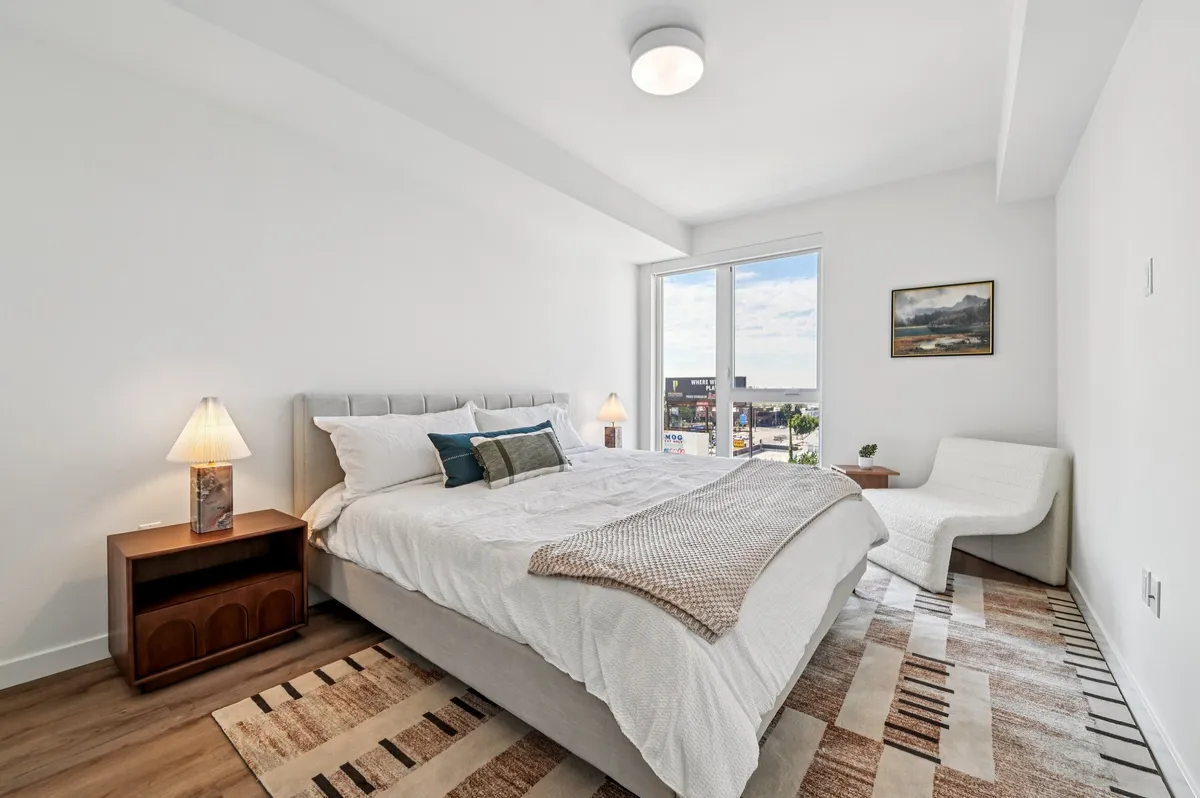
- Take a tour of a few units in person. Pictures don't always show how the parking works, how loud it is, or how the building feels.
- Be sure to ask about the terms of the lease, including what is included. What else is there?
- Look at the transit and walk scores for each listing. A good location can help you save money on car costs.
- Check out Tripalink and other sites to see what they have to offer. Compare prices, amenities, and availability to make the best choice.
FAQs
1. How much does it cost to rent a studio or one-bedroom apartment in Koreatown right now?
As of early 2026, studios cost $1,700-$2,000 a month on average, and 1-bedrooms cost $2,100-$2,300 a month. However, some units may cost more or less than this range depending on where they are and what they have.
2. Do most Koreatown apartments come with parking, or will I have to pay extra?
Parking is not always available in older buildings, and assigned spots usually cost more each month. If you need guaranteed parking, you'll need to spend more. Alternatively, look into public transportation.
3. How safe is it to walk to and from my apartment in Koreatown at night?
Because of the restaurants and businesses, Koreatown feels busy and alive at night. It's not usually any more dangerous than other neighborhoods in central LA, but you should still stay alert and avoid poorly lit areas.

Try these popular nearby searches
- Pet friendly homes for rent in Koreatown
- Homes with Parking for rent in Koreatown
- Homes with Private Bathroom for rent in Koreatown
- Furnished homes for rent in Koreatown
- Homes with EV Charging for rent in Koreatown
- Homes with Washer/Dryer for rent in Koreatown
- Homes with Utilities-Included for rent in Koreatown
- Wheelchair Accessible homes for rent in Koreatown
- Homes under $800 for rent in Koreatown
- Homes under $900 for rent in Koreatown
- Homes under $1000 for rent in Koreatown
- Homes under $1200 for rent in Koreatown
- Homes under $1400 for rent in Koreatown
- Homes under $1500 for rent in Koreatown
- Homes under $2000 for rent in Koreatown
- Homes under $2500 for rent in Koreatown
- Homes under $3000 for rent in Koreatown
- Short Term for rent Koreatown
- Open House for rent in Koreatown
- Instant Move-in for rent in Koreatown
- Special Offer for rent in Koreatown
- Cheap homes for rent in Koreatown
- Luxury Apartments for rent in Koreatown
- Premier Koreatown Home Rentals
- Best homes for Rent in Koreatown
- 1 Bedroom homes for Rent Under $2,000 in Koreatown
- Coliving Spaces in Koreatown
- Pet friendly homes for rent in Koreatown
- Homes with Parking for rent in Koreatown
- Homes with Private Bathroom for rent in Koreatown
- Furnished homes for rent in Koreatown
- Homes with EV Charging for rent in Koreatown
- Homes with Washer/Dryer for rent in Koreatown
- Homes with Utilities-Included for rent in Koreatown
- Wheelchair Accessible homes for rent in Koreatown
- Homes under $800 for rent in Koreatown
- Homes under $900 for rent in Koreatown
- Homes under $1000 for rent in Koreatown
- Homes under $1200 for rent in Koreatown
- Homes under $1400 for rent in Koreatown
- Homes under $1500 for rent in Koreatown
- Homes under $2000 for rent in Koreatown
- Homes under $2500 for rent in Koreatown
- Homes under $3000 for rent in Koreatown
- Short Term for rent Koreatown
- Open House for rent in Koreatown
- Instant Move-in for rent in Koreatown
- Special Offer for rent in Koreatown
- Cheap homes for rent in Koreatown
- Luxury Apartments for rent in Koreatown
- Premier Koreatown Home Rentals
- Best homes for Rent in Koreatown
- 1 Bedroom homes for Rent Under $2,000 in Koreatown
- Coliving Spaces in Koreatown

