Where are you moving to?
Street Cleaning and Towing Rules You Need to Know About Koreatown, Los Angeles Apartments
Table of contents
- The Significance of Parking Regulations in Koreatown
- What Is Los Angeles Street Sweeping?
- What Does a Street Sweeping Ticket Cost?
- In Koreatown, When Are Cars Towed?
- Why Koreatown Police Feel Tight
- Things to Look for Before Renting in Koreatown
- Zones of Residential Permit Parking (RPP)
- How to Avoid Tickets in Koreatown
- Is Assigned Parking Worth the Money?
- Comparing Newer and Older Structures
- The Big Picture: If You Make a Good Plan, Living in Koreatown Is Worth It
- Conclusions
- FAQs Regarding Koreatown Parking Regulations
You've come to a wonderful place. The rent works. It's a vibrant neighborhood. There is no comparison to the culinary scene.
Two weeks later, your car is gone when you step outside.
One thing that many first-time renters overlook when looking for apartments in Koreatown, Los Angeles, is the tow-away parking regulations and street sweeping.
Parking is not only competitive but also restricted to certain days and hours in a crowded area like Koreatown. You might be facing a ticket or even a tow if you miss a sign, misread a curb marking, or forget what day it is.
Using actual City of Los Angeles sources, let's dissect how it functions so you don't have to learn it the hard way.
The Significance of Parking Regulations in Koreatown
Koreatown is one of Southern California's most densely populated communities. Koreatown is more densely populated than most other LA neighborhoods, with over 46,200 people per square mile, according to Wikipedia.
High density indicates:
- Insufficient street parking
- Strict enforcement
- Regular street sweeping
- Towing actively in designated areas
Many Koreatown streets have weekly posted restrictions on both sides, unlike in suburban areas, where street cleaning may occur only occasionally.
This is survival knowledge, not optional knowledge, if you're renting in Koreatown and depend on street parking.
What Is Los Angeles Street Sweeping?
The City of Los Angeles Bureau of Street Services is responsible for street sweeping.
The StreetsLA states that be mindful of street signage to avoid being ticketed, as vehicles parked in restricted areas on days when street cleaning is scheduled will be cited. (Source)
In Koreatown, street sweeping signs typically look like this:
“No Parking 8 AM–10 AM Tuesday”
“No Parking 10 AM–12 PM Thursday”
Each block has its own set of rules, and you can use the map to explore the streets where you commonly park.
Important: You may still receive a ticket during designated hours even if you do not see the sweeper truck.
What Does a Street Sweeping Ticket Cost?
The current penalty for breaking the street sweeping restrictions is $73 (subject to change).
If you only forget once a week, that quickly mounts up.
Your vehicle may also be towed if it is obstructing a restricted area and causing problems.
In Koreatown, When Are Cars Towed?
Tow-away conditions are described by the Los Angeles Department of Transportation (LADOT).
Vehicles may be towed for, including, but not limited to:
- blocking the equipment used for street sweeping
- Parking in prohibited areas
- Blocking driveways
- Parking in areas designated for temporary "no parking" construction
- Expired registration (sometimes more than six months)
- Delinquent status for unpaid tickets
Retrieving a towed car usually entails the following, according to the LADOT:
It can cost several hundred dollars to overlook a single street sweeping sign.
Why Koreatown Police Feel Tight
Parking enforcement may seem uneven in areas with lower densities.
Enforcement is common in Koreatown because:
- The roads are small
- The turnover rate for parking is high
- Compliance maintains traffic flow
- Sweeping is essential for managing debris
Every year, the City of Los Angeles issues millions of parking citations. Parking enforcement is one of the city's busiest municipal enforcement initiatives, according to LADOT.
Enforcement activity is constant in Koreatown due to its density and the scarcity of off-street parking.
Things to Look for Before Renting in Koreatown
Prior to signing, inquire about the following when looking for apartments in Koreatown, Los Angeles:
- Is parking available on the premises?
- Is parking free, or does it cost extra each month?
- Are there spaces that are stacked or tandem?
- Are there many permit restrictions in the area?
- When are the nearby blocks' street sweeping days?
Expert advice: On weekday mornings, take a stroll around the block. Examine the signs for yourself.
Before they actually experience it, many renters believe parking is manageable.
Zones of Residential Permit Parking (RPP)
There are areas in Koreatown that are subject to Los Angeles Residential Permit Parking (RPP) zones.
Certain parts of the city require parking permits during certain hours, according to LADOT. There are three kinds of parking permits:
Preferential Parking District (PPD)
Overnight Parking District (OPD)
Oversize Vehicle Restricted Area (OVRA)
You might only be allowed to park for one or two hours without a permit. Verify whether your block is located within a PPD area if you intend to use street parking.
For instructions on how to apply for a Preferential Parking District (PPD) permit, please refer here.
How to Avoid Tickets in Koreatown
Long-term LA renters employ the following useful tactics:
- For days when streets need to be swept, set up recurring calendar reminders.
- Use parking apps that offer personalized alerts.
- When you first move in, snap pictures of the signs.
- Verify the temporary construction signs again.
- Holidays frequently don't affect enforcement, so don't assume that they do.
The majority of parking regulations are enforced by the City of Los Angeles unless they are formally suspended.
Never make assumptions.
Is Assigned Parking Worth the Money?
Garage parking in many of Koreatown's newer buildings is extra.
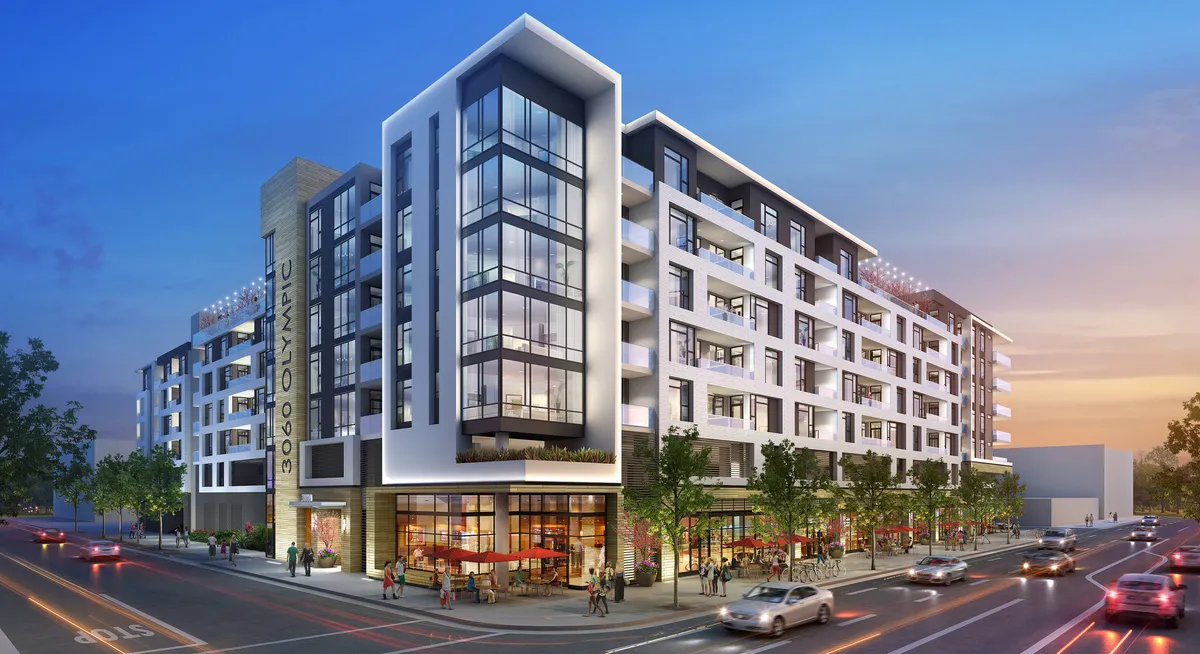
Depending on availability, typical ranges can range from $100 to $200+ per month.
Street parking appears to be "free" at first glance.
However, when you take into account:
- Street sweeping ticket costs
- Possible tow charges
- Lost time when a car is being retrieved
Financial stability and reduced stress are two benefits of garage parking.
Comparing Newer and Older Structures
Older rent-controlled structures are frequently:
- Lack or have little garage parking
- Depend largely on parking on the street.
- Not having access to contemporary parking systems
More recent or expertly run structures could provide:
- Allotted garage areas
- Access entry that is controlled
- Cameras for security
- Plans for organized parking
This distinction can have a significant effect on day-to-day living when looking at apartments in Koreatown, Los Angeles.
The Big Picture: If You Make a Good Plan, Living in Koreatown Is Worth It
What Koreatown has to offer:
- The ability to walk
- Dining late at night
- Metro access
- Vibrant culture
- Central Los Angeles
However, it's also highly regulated and dense.
Being prepared is more important than being afraid when it comes to street sweeping and tow-away regulations.
Renters who didn't inquire about parking up front are typically the ones who have the most difficulties in Koreatown.
Conclusions
Parking regulations should be taken into consideration during your apartment search, not as an afterthought, if you're seriously considering apartments in Koreatown, Los Angeles.
"The good news?" It's manageable once you know how it works.
Stroll around the neighborhood. Go over the signs. Find out about parking options. Make a note.
Don't allow a parking sign to detract from the excitement of living in Koreatown, one of LA's most vibrant neighborhoods.
FAQs Regarding Koreatown Parking Regulations
1. If the sweeper is not present, do the rules governing street sweeping still apply?
Yes. Even when a sweeper vehicle is not visible, posted "No Parking" restrictions remain in effect.
2. How much does a Los Angeles street sweeping ticket cost?
The current fine is $73, although fines may change.
3. Is it possible to have my car towed only for street sweeping?
Yes. According to LADOT enforcement guidelines, your car could be cited and towed if it blocks posted street sweeping operations or is parked in a tow-away zone during restricted hours

Try these popular nearby searches
- Pet friendly homes for rent in Koreatown
- Homes with Parking for rent in Koreatown
- Homes with Private Bathroom for rent in Koreatown
- Furnished homes for rent in Koreatown
- Homes with EV Charging for rent in Koreatown
- Homes with Washer/Dryer for rent in Koreatown
- Homes with Utilities-Included for rent in Koreatown
- Wheelchair Accessible homes for rent in Koreatown
- Homes under $800 for rent in Koreatown
- Homes under $900 for rent in Koreatown
- Homes under $1000 for rent in Koreatown
- Homes under $1200 for rent in Koreatown
- Homes under $1400 for rent in Koreatown
- Homes under $1500 for rent in Koreatown
- Homes under $2000 for rent in Koreatown
- Homes under $2500 for rent in Koreatown
- Homes under $3000 for rent in Koreatown
- Short Term for rent Koreatown
- Open House for rent in Koreatown
- Instant Move-in for rent in Koreatown
- Special Offer for rent in Koreatown
- Cheap homes for rent in Koreatown
- Luxury Apartments for rent in Koreatown
- Premier Koreatown Home Rentals
- Best homes for Rent in Koreatown
- 1 Bedroom homes for Rent Under $2,000 in Koreatown
- Coliving Spaces in Koreatown
- Pet friendly homes for rent in Koreatown
- Homes with Parking for rent in Koreatown
- Homes with Private Bathroom for rent in Koreatown
- Furnished homes for rent in Koreatown
- Homes with EV Charging for rent in Koreatown
- Homes with Washer/Dryer for rent in Koreatown
- Homes with Utilities-Included for rent in Koreatown
- Wheelchair Accessible homes for rent in Koreatown
- Homes under $800 for rent in Koreatown
- Homes under $900 for rent in Koreatown
- Homes under $1000 for rent in Koreatown
- Homes under $1200 for rent in Koreatown
- Homes under $1400 for rent in Koreatown
- Homes under $1500 for rent in Koreatown
- Homes under $2000 for rent in Koreatown
- Homes under $2500 for rent in Koreatown
- Homes under $3000 for rent in Koreatown
- Short Term for rent Koreatown
- Open House for rent in Koreatown
- Instant Move-in for rent in Koreatown
- Special Offer for rent in Koreatown
- Cheap homes for rent in Koreatown
- Luxury Apartments for rent in Koreatown
- Premier Koreatown Home Rentals
- Best homes for Rent in Koreatown
- 1 Bedroom homes for Rent Under $2,000 in Koreatown
- Coliving Spaces in Koreatown

