Where are you moving to?
Apartments for Rent in Koreatown: Are Pests a Common Problem in Older Buildings?
Table of contents
- Why Older Apartment Buildings Become Concerned About Pests
- California's Laws Regarding Pest Control
- Do Older Buildings Have a Higher Roach Rate?
- How About Bugs in the Bed?
- Comparing Newer Developments with Older Rent-Controlled Buildings
- Useful Indications to Watch Out for While on Tour
- What Tenants Can Do to Reduce Risk
- Should You Stay Away from Koreatown Because of This?
- The Bottom Line
- FAQs
You explore a lovely old building. Hardwood floors. Solid walls. It seems like a fair rent for central Los Angeles.
Then someone remarks, "Yes, but there are roaches in Koreatown."
This issue frequently arises when looking for apartments to rent in Koreatown, particularly when contrasting newer developments with older rent-controlled buildings.
So let's be honest about it.
- Do older buildings in Koreatown often have pests like bed bugs and roaches?
- Does it differ from other areas of Los Angeles?
- And what are reasonable expectations for tenants?
This is what matters most.
Why Older Apartment Buildings Become Concerned About Pests
One of the largest concentrations of multifamily housing in Los Angeles is found in Koreatown. In contrast to single-family homes in suburban areas, most residents live in shared-wall apartment buildings.
What shared infrastructure can mean is:
- Plumbing systems that are integrated
- Shared ventilation and walls
- The main locations for collecting trash
- High rental turnover
Although infestations are not always caused by those factors, they may increase the importance of prevention.
It's not just Koreatown. This holds true for the majority of large cities' older multifamily neighborhoods.
California's Laws Regarding Pest Control
This is verifiable and tangible.
Under California Civil Code §1941.1, landlords are required to provide rental properties that are "habitable," meaning they are free of infestations and rodents.
Furthermore, property owners are required by the Los Angeles Housing Department (LAHD) to maintain their units in a safe and hygienic manner.
In legal terms, then:
It is the landlord's responsibility to address any infestation.
Do Older Buildings Have a Higher Roach Rate?
Roaches typically flourish in settings that have:
- Wetness
- Food particles
- Cracks or gaps
- Inconsistent garbage management
Small structural cracks or deteriorating plumbing in older buildings can make them more vulnerable if maintenance isn't regularly performed.
However, building management techniques—rather than age alone—are typically associated with pest presence.
Regular preventive, rather than reactive, pest control is frequently scheduled for professionally managed properties.
Ask directly if you're looking at Koreatown apartments for rent:
- Is pest control based on complaints, or is it preventative?
- How frequently do common areas receive treatment?
- Does rent include treatment?
Clear answers are a positive indication.
How About Bugs in the Bed?
A completely different category applies to bed bugs.
As stated by the Environmental Protection Agency (EPA) of the United States:
Bed bugs can be found in homes, hotels, apartments, and dorms, and are unrelated to cleanliness. Used furniture, travel, and luggage are the main ways they spread. (Source)
Consequently:
- Cases of bed bugs can occur in any crowded urban area.
- The problems are not "Koreatown-specific."
- Tenants frequently introduce them unintentionally.
Once more, the neighborhood is not as important as the management response.
Comparing Newer Developments with Older Rent-Controlled Buildings
Koreatown's rental apartments are subject to the Rent Stabilization Ordinance (RSO) of the City of Los Angeles, which governs most multifamily buildings constructed before October 1, 1978. (Source)
Older RSO buildings could provide:
- Rent is less
- Larger designs
- Older architectural style
They might, however, also have:
- Older plumbing systems
- Modern sealing or insulation is outdated.
- Dispersed garbage systems
Newer advancements usually consist of:
- Modern building codes
- Points of sealed entry
- Frequent, paid pest control services
- Access control
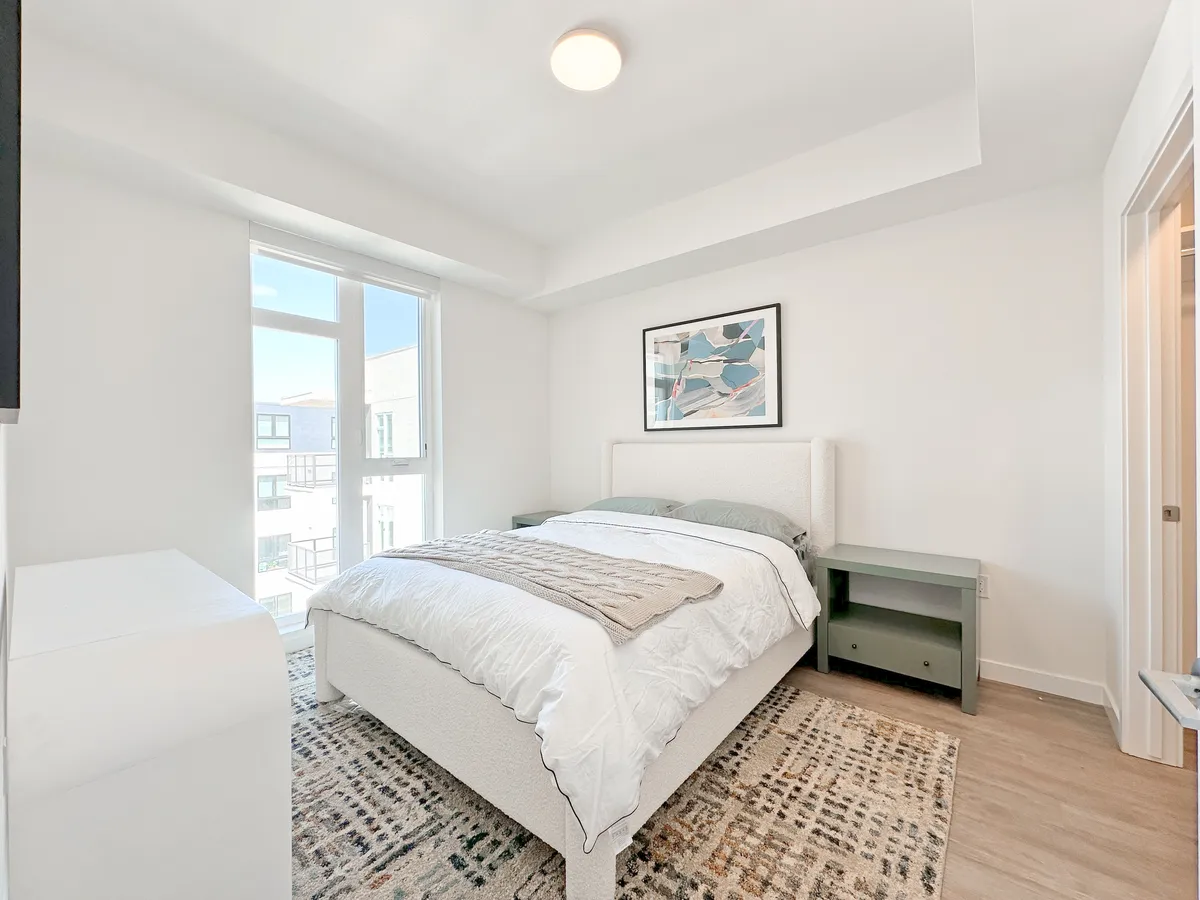
Differences in infrastructure do matter, but that doesn't mean new equals flawless or old equals troublesome.
Useful Indications to Watch Out for While on Tour
Look for physical clues rather than internet rumors:
- Stairwells and hallways that are clean
- Clean and well-kept trash areas
- Baseboards that are sealed and caulked beneath sinks
- Absence of droppings within cabinets
- No smell that can't be explained
A building's common areas probably don't prioritize pest control if they appear neglected.
It's a good sign if they are tidy and kept up.
What Tenants Can Do to Reduce Risk
Even in well-kept apartments, prevention is beneficial.
Basic behaviors:
- Keep dry food in airtight containers
- Remove the trash regularly
- Steer clear of secondhand upholstered furniture
- Check the mattresses before relocating
- Report issues in writing as soon as possible
Early reporting is important. California law requires landlords to address habitability concerns within a reasonable time after being notified.
Should You Stay Away from Koreatown Because of This?
No, not always.
One of the reasons Koreatown is still one of the most sought-after rental areas in Los Angeles is
- The ability to walk
- Central location
- Food options
- Access to Metro
- Vitality of culture
Typically, pest problems are associated with individual buildings rather than the entire neighborhood.
Many tenants in well-run apartments in Koreatown lead happy, trouble-free lives.
The quality of maintenance is nearly always the deciding factor.
The Bottom Line
Here's the truth if you're looking for apartments in Koreatown to rent:
Yes, poor maintenance can make older multifamily buildings in Los Angeles more susceptible to pests.
No, it's not always an issue in every building in Koreatown.
Prioritize:
- Reactivity of the management
- Pest prevention measures
- Clear the common areas
- Clear communication
That is far more significant than the ZIP code.
Pay close attention to your walk-through. Pose direct inquiries. Record your observations.
One of LA's most convenient and energetic rental areas is Koreatown, and with the correct building, pests are not an issue.
FAQs
Is it typical for apartments in Koreatown to have roaches?
If older multifamily buildings receive inconsistent maintenance, they may develop. Landlords are required by California Civil Code §1941.1 to keep their properties livable and free of rodents.
2. Do dense neighborhoods have higher rates of bed bugs?
According to the EPA, bed bugs can show up in any apartment building and have nothing to do with cleanliness. They proliferated via used furniture and travel.
3. After moving in, what should I do if I find pests?
Inform management right away in writing. It is legally required of landlords to resolve habitability issues in a reasonable timeframe.

Try these popular nearby searches
- Pet friendly homes for rent in Koreatown
- Homes with Parking for rent in Koreatown
- Homes with Private Bathroom for rent in Koreatown
- Furnished homes for rent in Koreatown
- Homes with EV Charging for rent in Koreatown
- Homes with Washer/Dryer for rent in Koreatown
- Homes with Utilities-Included for rent in Koreatown
- Wheelchair Accessible homes for rent in Koreatown
- Homes under $800 for rent in Koreatown
- Homes under $900 for rent in Koreatown
- Homes under $1000 for rent in Koreatown
- Homes under $1200 for rent in Koreatown
- Homes under $1400 for rent in Koreatown
- Homes under $1500 for rent in Koreatown
- Homes under $2000 for rent in Koreatown
- Homes under $2500 for rent in Koreatown
- Homes under $3000 for rent in Koreatown
- Short Term for rent Koreatown
- Open House for rent in Koreatown
- Instant Move-in for rent in Koreatown
- Special Offer for rent in Koreatown
- Cheap homes for rent in Koreatown
- Luxury Apartments for rent in Koreatown
- Premier Koreatown Home Rentals
- Best homes for Rent in Koreatown
- 1 Bedroom homes for Rent Under $2,000 in Koreatown
- Coliving Spaces in Koreatown
- Pet friendly homes for rent in Koreatown
- Homes with Parking for rent in Koreatown
- Homes with Private Bathroom for rent in Koreatown
- Furnished homes for rent in Koreatown
- Homes with EV Charging for rent in Koreatown
- Homes with Washer/Dryer for rent in Koreatown
- Homes with Utilities-Included for rent in Koreatown
- Wheelchair Accessible homes for rent in Koreatown
- Homes under $800 for rent in Koreatown
- Homes under $900 for rent in Koreatown
- Homes under $1000 for rent in Koreatown
- Homes under $1200 for rent in Koreatown
- Homes under $1400 for rent in Koreatown
- Homes under $1500 for rent in Koreatown
- Homes under $2000 for rent in Koreatown
- Homes under $2500 for rent in Koreatown
- Homes under $3000 for rent in Koreatown
- Short Term for rent Koreatown
- Open House for rent in Koreatown
- Instant Move-in for rent in Koreatown
- Special Offer for rent in Koreatown
- Cheap homes for rent in Koreatown
- Luxury Apartments for rent in Koreatown
- Premier Koreatown Home Rentals
- Best homes for Rent in Koreatown
- 1 Bedroom homes for Rent Under $2,000 in Koreatown
- Coliving Spaces in Koreatown

