Where are you moving to?
What’s the Average Rent for a Studio or 1-Bedroom in Apartments in Koreatown, Los Angeles?
Table of contents
- What Are the Typical Costs of a Studio and A 1-Bedroom in Koreatown?
- Rents in Koreatown Feel "Just Right" for Los Angeles
- When Rents Go Up (or Down), What Causes It?
- You Should Be Aware of Current Market Trends
- Tripalink's Place in the K-Town Rental Environment
- A Guide to Renting on a Spending Plan in Koreatown
- Conclusion
- FAQs:
If you are looking for an apartment in Koreatown, Los Angeles, also known as K-town by locals, one of the first things that probably comes to mind is the rent you will be required to pay. K-town is a lively neighborhood with plenty of public transportation.
When compared with real averages, the local rent figures in Los Angeles can appear quite peculiar. It is essential to have a thorough understanding of current studio and one-bedroom apartment prices before you even begin looking for apartments. This is especially true if you are comparing different neighborhoods or trying to balance your budget and lifestyle.
In order to provide you with an explanation of what to anticipate when searching for apartments in K-town, whether you are looking at Tripalink's listings or a number of other websites, let's use current data and examples from the real world.
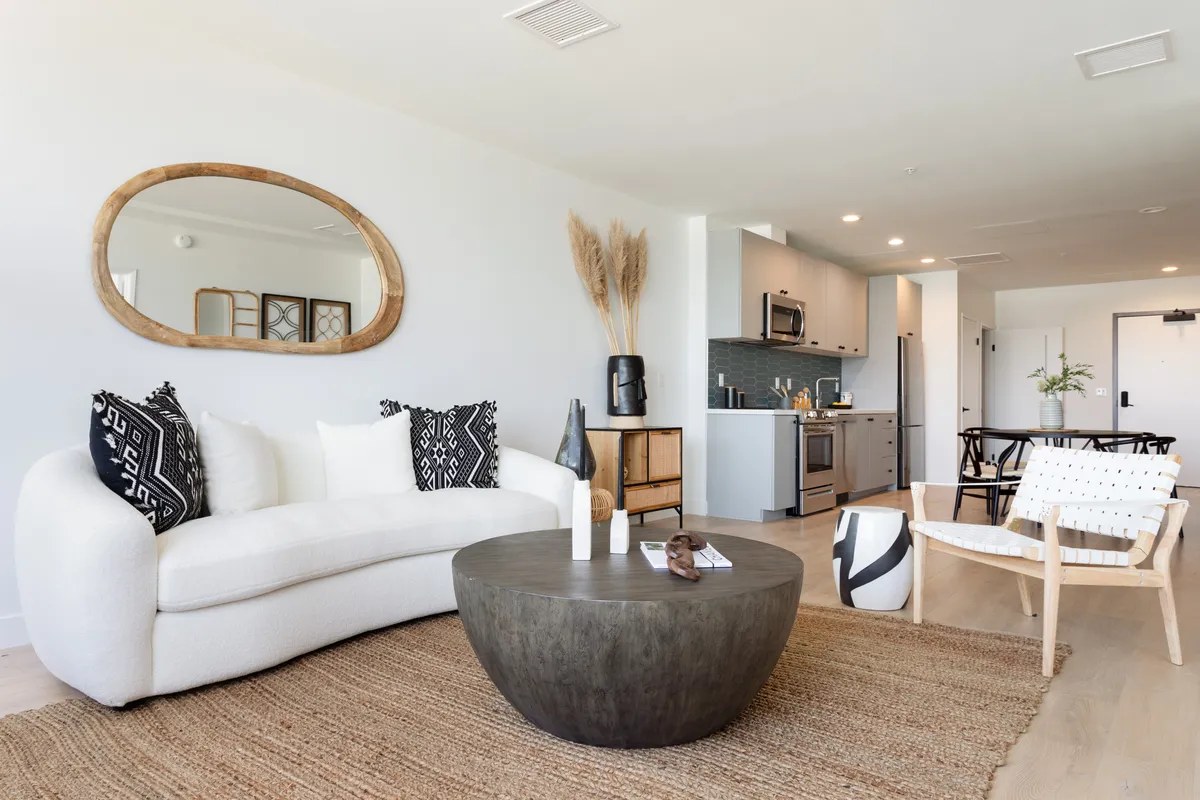
What Are the Typical Costs of a Studio and A 1-Bedroom in Koreatown?
Several reliable sources of rental data indicate that the average rent in Koreatown, located in Los Angeles, California, is approximately the same as, or slightly higher than, the average rent in the rest of Los Angeles.
As of early 2026, according to RentCafe's most recent analysis:
- Studio apartments: About $1,741 per month
- One-bedroom: Around $2,208 per month
- The average rent in Koreatown (all unit types): About $2,223 per month
A similar picture is painted by other market data:
- According to Apartments.com, studio rents in Koreatown are typically about $2,002 per month, while one-bedroom apartments cost about $2,256 per month.
- Although prices vary greatly by building age, amenities, and month, Tripalink's own data shows that studio averages are around $1,542 and one-bedroom averages are around $1,930.
Put simply, this means that if you're planning a move to K-town, you should budget between $1,700 and $2,200 for studios and one-bedrooms, with newer or more contemporary buildings typically costing more and older or simpler units occasionally costing slightly less.
Rents in Koreatown Feel "Just Right" for Los Angeles
Though it's still firmly in the mid-to-upper range of the LA market, Koreatown often feels more reasonably priced than West Hollywood, Santa Monica, or Beverly Grove. K-town's numbers are appealing due to its central location, as average rents in some Los Angeles neighborhoods are around $ 2,700 or more for a one-bedroom.
Why do K-town rents remain where they are?
- A large portion of the neighborhood's inventory consists of older, pre-war, and mid-century buildings, which frequently cause overall averages to drop slightly when compared to the shiny, upscale buildings downtown.
- For some renters, having access to multiple Metro lines and buses compensates for the smaller unit sizes.
- K-town is an excellent location for renters who are more concerned with the atmosphere than the size of their apartment because it is easily accessible on foot, has a thriving food scene, and offers diverse nightlife.
Having said that, the same range can have a very different atmosphere depending on the building's location, amenities, age, and parking ease. The price of a renovated mid-rise apartment with a rooftop deck and a fitness center is $2,000, while the price of an older building with shared laundry and street parking is very different.
When Rents Go Up (or Down), What Causes It?
That you might not see the same things as the averages is due to the following reasons:
📌 Building Age and Renovations
Buildings that are either more recent or have undergone recent renovations, with contemporary kitchens, cleaner floor plans, and superior appliances, typically have rent prices higher than the regional average.
Even when they are well-maintained, older buildings typically have lower rents. This is especially true if the units are smaller and lack amenities such as a gym or a washer and dryer in the unit itself.
📌 Position in K-town
Rents in Koreatown vary, and it spans multiple blocks:
Rent for apartments near Wilshire Boulevard or important transit hubs is frequently higher.
Properties near busier streets or farther from public transportation are typically a little less expensive.
📌 Parking and Utilities
In older buildings without utilities included or parking, some renters claim to find studio rents under $1,600 to $1,700. However, once you account for utilities or a parking space each month, your total monthly housing cost can quickly rise.
You Should Be Aware of Current Market Trends
It's important to remember that rent dynamics are dynamic in Koreatown and throughout Los Angeles.
According to the most recent data provided by Zumper, the median rent for all unit types in the Wilshire Center-Koreatown area is approximately $1,990 per month as of the beginning of 2026. This represents a change from previous years and indicates that the market is gradually becoming more manageable.
When you look for studios that are older or have undergone less renovation, you might find them at a slightly lower price than the typical range of $1,700–$2,000. This is especially true if you look for them at the end of the month or during off-peak times.
Tripalink's Place in the K-Town Rental Environment
Tripalink's special page compiles options for studio and one-bedroom apartments in K-town. Although other platforms are available, Tripalink's centralized view of available units can save time when rent fluctuates monthly.
It's wise to compare several listings on Tripalink and other websites because K-town is such a popular rental market. While newer developments command higher prices but frequently offer benefits that add long-term value, older buildings may have lower base rents but fewer amenities.
A Guide to Renting on a Spending Plan in Koreatown
If you want to maintain a low rent without sacrificing your way of life, you should:
🧭 1. Make a Schedule
At the end of the month or during slower leasing seasons, such as late fall and winter, renters typically find better deals than they would throughout the rest of the month.
📏 2. Examine the Various Units
In some cases, a well-leveraged junior one-bedroom apartment can provide you with more space for your money than a studio.
🚍 3. Consider the Alternatives
It is possible that the cost of a unit farther from public transportation or street parking will be lower. If you do not have a car, there are excellent ride-sharing options available in Los Angeles.
🤝 4. Keep an Eye Out for Concessions
If you sign a longer lease, many buildings offer specials such as a free month of rent to attract long-term tenants.
Conclusion
If you are looking for an apartment in Koreatown, Los Angeles, you should anticipate spending between $1,700 and $2,200 for a studio or one-bedroom apartment. Comparing listings (such as Tripalink's handpicked inventory of one-bed apartments) will help you find the ideal match for your budget and lifestyle.
FAQs:
1. How much does it cost to rent a studio in Koreatown right now?
In early 2026, most data sources said that studio rent would be between $1,700 and $1,900 per month. This number could change depending on the building's age and amenities.
2. What is the price range for a one-bedroom apartment in the K-town neighborhood?
A one-bedroom apartment typically costs between $2,000 and $2,200 per month to rent, but rent can be higher in newer buildings or for more expensive units.
3. Why are rent prices in Koreatown so disparate?
Monthly rent may be influenced by factors such as the building's condition, amenities, parking availability, and location within Koreatown.

Try these popular nearby searches
- Pet friendly homes for rent in Koreatown
- Homes with Parking for rent in Koreatown
- Homes with Private Bathroom for rent in Koreatown
- Furnished homes for rent in Koreatown
- Homes with EV Charging for rent in Koreatown
- Homes with Washer/Dryer for rent in Koreatown
- Homes with Utilities-Included for rent in Koreatown
- Wheelchair Accessible homes for rent in Koreatown
- Homes under $800 for rent in Koreatown
- Homes under $900 for rent in Koreatown
- Homes under $1000 for rent in Koreatown
- Homes under $1200 for rent in Koreatown
- Homes under $1400 for rent in Koreatown
- Homes under $1500 for rent in Koreatown
- Homes under $2000 for rent in Koreatown
- Homes under $2500 for rent in Koreatown
- Homes under $3000 for rent in Koreatown
- Short Term for rent Koreatown
- Open House for rent in Koreatown
- Instant Move-in for rent in Koreatown
- Special Offer for rent in Koreatown
- Cheap homes for rent in Koreatown
- Luxury Apartments for rent in Koreatown
- Premier Koreatown Home Rentals
- Best homes for Rent in Koreatown
- 1 Bedroom homes for Rent Under $2,000 in Koreatown
- Coliving Spaces in Koreatown
- Pet friendly homes for rent in Koreatown
- Homes with Parking for rent in Koreatown
- Homes with Private Bathroom for rent in Koreatown
- Furnished homes for rent in Koreatown
- Homes with EV Charging for rent in Koreatown
- Homes with Washer/Dryer for rent in Koreatown
- Homes with Utilities-Included for rent in Koreatown
- Wheelchair Accessible homes for rent in Koreatown
- Homes under $800 for rent in Koreatown
- Homes under $900 for rent in Koreatown
- Homes under $1000 for rent in Koreatown
- Homes under $1200 for rent in Koreatown
- Homes under $1400 for rent in Koreatown
- Homes under $1500 for rent in Koreatown
- Homes under $2000 for rent in Koreatown
- Homes under $2500 for rent in Koreatown
- Homes under $3000 for rent in Koreatown
- Short Term for rent Koreatown
- Open House for rent in Koreatown
- Instant Move-in for rent in Koreatown
- Special Offer for rent in Koreatown
- Cheap homes for rent in Koreatown
- Luxury Apartments for rent in Koreatown
- Premier Koreatown Home Rentals
- Best homes for Rent in Koreatown
- 1 Bedroom homes for Rent Under $2,000 in Koreatown
- Coliving Spaces in Koreatown

