Where are you moving to?
Koreatown Apartments: Which Blocks Are the Quietest and Safest for Families?
Table of contents
- Let's first pause to comprehend Koreatown's reality.
- Why Zip Codes Are Not As Important as "Blocks"
- Koreatown's More Relaxed, Family-Friendly Communities
- Places Families Avoid Frequently
- What “Safe” Means for Families in Koreatown
- Building Characteristics Are Equally as Crucial as Location
- The Correct Time of Visit Can Have a Significant Impact
- Daily Life, Parks, and Schools
- Koreatown Is Selective Rather Than "Family-Unfriendly"
- In Conclusion
- FAQs:
One of the liveliest areas in Los Angeles is Koreatown. It is crowded, bustling, food-focused, and distinctly urban. That energy is what attracts many renters.
However, if you're searching for apartments in Koreatown with your family in mind, you're probably asking a different question than a 25-year-old who is coming here for the nightlife:
On a daily basis, which parts of Koreatown feel secure, tranquil, and cozy?
In a nutshell, Koreatown is more than one experience. The neighborhood can appear to be very different from block to block. After midnight, some streets remain crowded. There are undoubtedly quieter, greener, and more neighborhood-like areas there, where families push strollers and neighbors know one another.
This guide explains which areas of Koreatown are typically the quietest and safest for families, why, and the factors to consider when choosing an apartment.
Let's first pause to comprehend Koreatown's reality.
Among the most congested areas in the nation is Koreatown. More than 40,000 people live there per square mile, which is more than in many parts of Manhattan, according to U.S. Census data. Walkability, public transportation accessibility, and convenience are all made possible by this density, but it also results in noise pollution, traffic, and a shortage of open space.
According to the Los Angeles Police Department's crime statistics, Koreatown generally has higher rates of property crime than of violent crime, roughly matching the city's overall crime rate. This is typical of densely populated neighborhoods with many public transit options. For families, the neighborhood name is not as important as the particular part of Koreatown where they reside.
Why Zip Codes Are Not As Important as "Blocks"
The sense of security and tranquility in Koreatown can differ substantially from one neighborhood to another. Even though two buildings are just a few blocks apart, they can appear to be very different from one another.
A block's atmosphere is influenced by the following factors:
- Being near nightlife hotspots
- Whether a street is used for residences or commercial establishments
- Foot traffic in the late hours of the night
- Street width and tree cover
- Presence of small parks, churches, or schools
The happiest Koreantown families tend to choose residential streets rather than commercial streets or the neighborhood's outskirts.
Koreatown's More Relaxed, Family-Friendly Communities
1. Western Edge near Hancock Park
The western section near Hancock Park is typically the greatest choice if you want a tranquil experience without sacrificing access to Koreatown's amenities.
Limits roughly:
- Outside Western Avenue
- Near Olympic Boulevard, 6th Street, and 3rd Street
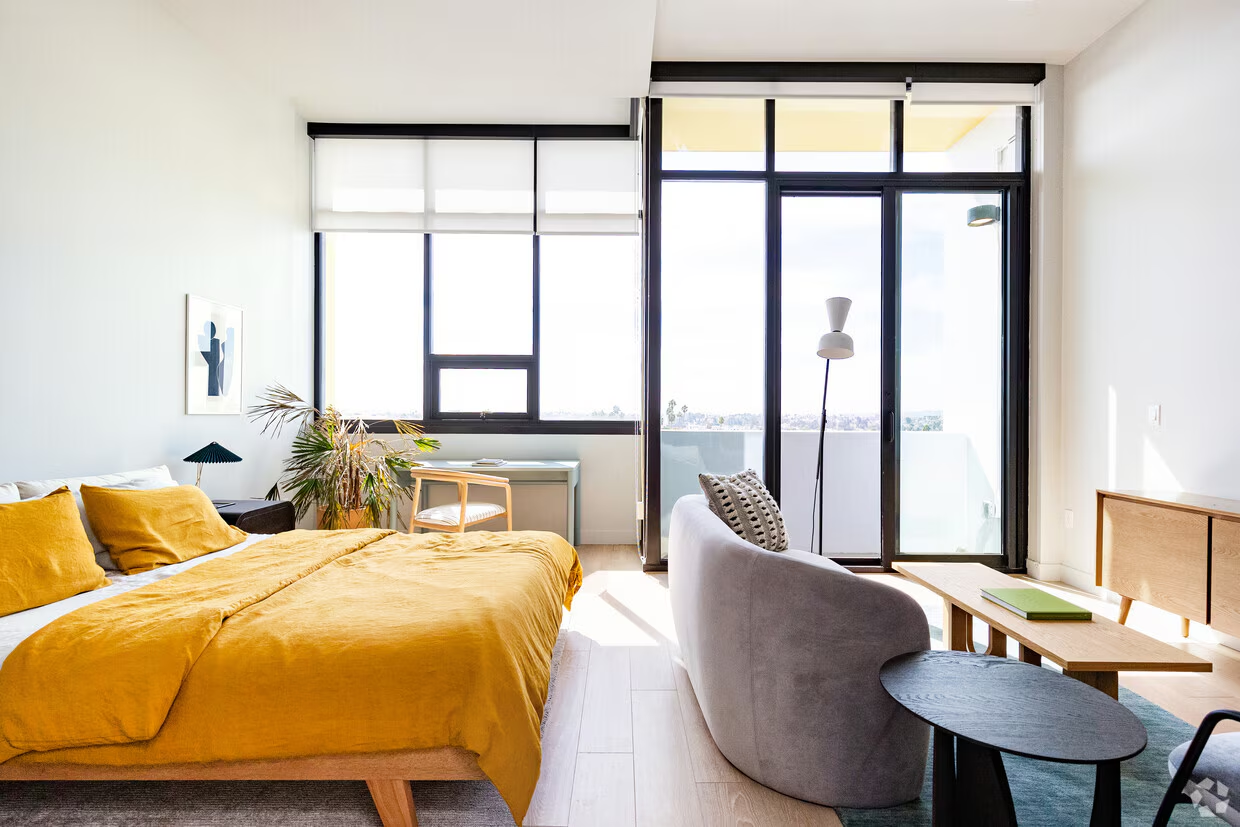
Reasons why families like it:
- Fewer people strolling around late at night, and broader roadways
- More compact residences
- Being close to Hancock Park's single-family housing area
- Reduced traffic congestion and made street parking easier
Particularly when contrasted with central Koreatown, this area tends to feel more tranquil at night. Though you won't have to put up with the constant noise from bars and clubs, you will still be close to supermarkets, schools, and public transportation.
2. Near Wilshire Vista in South Koreatown
Families also favor the area south of Wilshire Boulevard, particularly in the Wilshire Vista neighborhood.
The reason it is special:
- More residential zoning
- Fewer businesses that are open late at night
- More slowly moving traffic patterns
- Close to community centers and educational institutions
Even though Wilshire is a busy area, the atmosphere quickly changes a block or two to the south. Buildings in this neighborhood typically attract long-term tenants rather than short-term renters.
3. East of Western and North of Wilshire (Selective Blocks)
Though there are quiet residential streets tucked away between the busier roads, this area requires a more cautious, block-by-block approach.
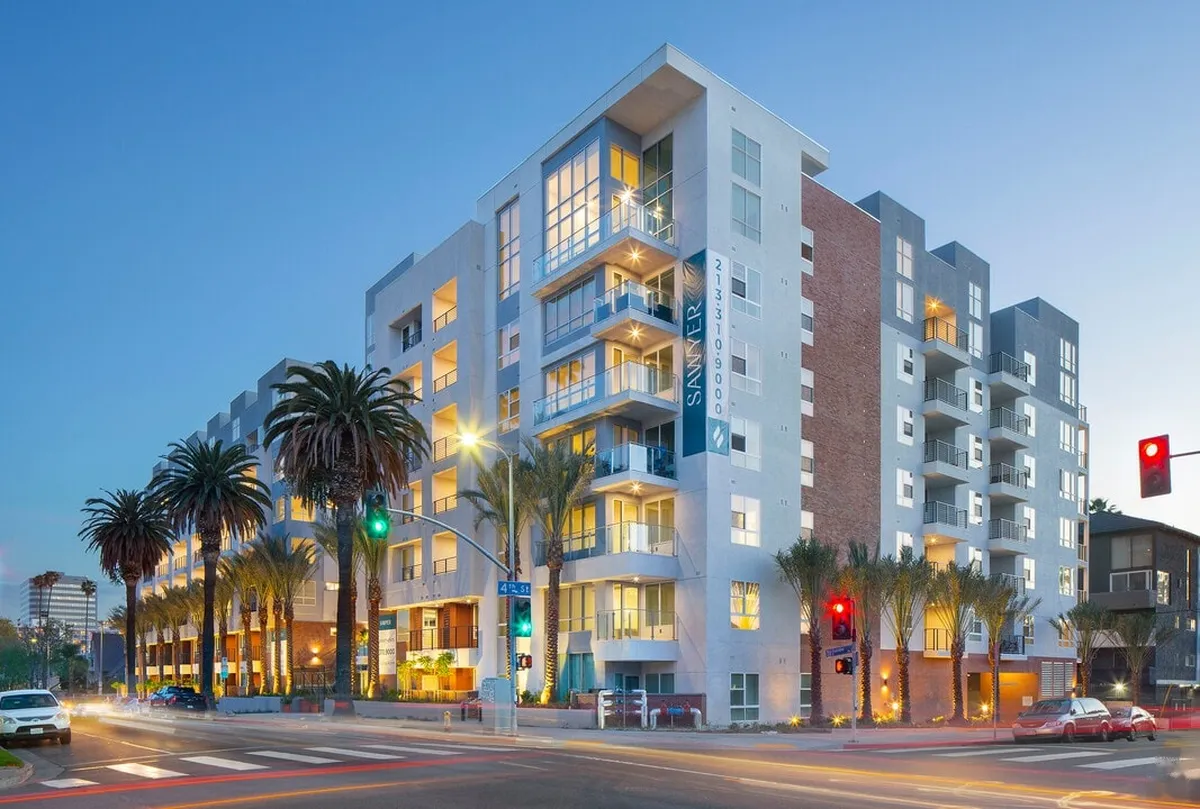 What to look out for:
- Streets devoid of karaoke lounges or bars
- Littler apartment complexes
- Places of worship or schools in the vicinity
In addition to good public transportation and the option to enjoy a quieter street just off the busy main roads, families typically choose this area because it is easy to walk around.
Places Families Avoid Frequently
These places are simply not the greatest options for families seeking quiet, but that doesn't mean they're dangerous.
Vibrant Business Districts:
- Wilshire Boulevard
- 6th Street
- 8th Street
- Western Avenue
These streets are bustling and simple to get around, but they also have:
- Increasing decibel levels
- Enhanced pedestrian traffic in the late hours of the night
- Increased traffic congestion and double parking
It can be stressful to live right on these streets if you have children or value peaceful evenings.
What “Safe” Means for Families in Koreatown
There is more to safety than crime rates alone. Families typically interpret it as:
- Walking at night and feeling safe
- Quiet streets following dark
- Structures with access restrictions
- Neighbors who have lived in the neighborhood for more than a year
The quieter streets in Koreatown tend to feel safer because fewer people are passing by, and locals are more acquainted.
Building Characteristics Are Equally as Crucial as Location
Families typically search for apartments in Koreatown by concentrating on structures that have:
- Gated or controlled entry systems
- On-site administration or upkeep
- Light-filled communal areas
- Secure parking
Even on more congested streets, these features can significantly improve daily comfort.
It is frequently easier to find buildings with these features thanks to websites like Tripalink and others, which is especially helpful for families visiting Koreatown for the first time.
The Correct Time of Visit Can Have a Significant Impact
The following is one of the best pieces of advice:
Go to the block at night.
By 10 p.m., a street that appears serene at 2 p.m. can feel entirely different. In the evenings, spend time outside. Focus. Take note of how people are moving. Be mindful of the lighting and the level of activity.
Usually, that one step provides you with more information than any listing's description.
Daily Life, Parks, and Schools
Koreatown doesn't have a lot of big parks, but it's close to
- Schools
- Libraries
- Centers for the community
- Little parks in the neighborhood
Often goes hand in hand with quieter, more stable blocks. Families often gather around these amenities, which gives the area its unique feel.
Koreatown Is Selective Rather Than "Family-Unfriendly"
Families find Koreatown too busy, but that perception is oversimplified. By choosing appropriate neighborhoods rather than focusing solely on rent costs, many families are able to live here happily.
If you prioritize:
- Residential streets
- Controlled-access buildings
- Edges of the neighborhood
You will find apartments in Koreatown that are surprisingly quiet, walkable, and community-oriented.
In Conclusion
It's not necessary to completely avoid Koreatown if you choose the ideal apartment for your family. It involves realizing how variations among blocks affect day-to-day existence. Families may find a central, walkable, and surprisingly comfortable place to live in Koreatown with the correct building and location.
FAQs:
1. Can families with kids feel safe in Koreatown?
It's true that Koreatown is home to many families. The specific block and building have a big impact on comfort and safety. Families tend to find residential streets near the neighborhood's edges to be more tranquil and family-friendly.
2. Which parts of Koreatown are the calmest?
Quieter areas are found south of Wilshire, near Hancock Park, and in some residential blocks away from busy roads like Wilshire Boulevard and 6th Street.
3. Should families avoid residing in Koreatown on the main thoroughfares?
Due to the late-night activity and noise, many families decide not to live directly on busy commercial streets. Living a block or two away can make a big difference.

Try these popular nearby searches
- Pet friendly homes for rent in Koreatown
- Homes with Parking for rent in Koreatown
- Homes with Private Bathroom for rent in Koreatown
- Furnished homes for rent in Koreatown
- Homes with EV Charging for rent in Koreatown
- Homes with Washer/Dryer for rent in Koreatown
- Homes with Utilities-Included for rent in Koreatown
- Wheelchair Accessible homes for rent in Koreatown
- Homes under $800 for rent in Koreatown
- Homes under $900 for rent in Koreatown
- Homes under $1000 for rent in Koreatown
- Homes under $1200 for rent in Koreatown
- Homes under $1400 for rent in Koreatown
- Homes under $1500 for rent in Koreatown
- Homes under $2000 for rent in Koreatown
- Homes under $2500 for rent in Koreatown
- Homes under $3000 for rent in Koreatown
- Short Term for rent Koreatown
- Open House for rent in Koreatown
- Instant Move-in for rent in Koreatown
- Special Offer for rent in Koreatown
- Cheap homes for rent in Koreatown
- Luxury Apartments for rent in Koreatown
- Premier Koreatown Home Rentals
- Best homes for Rent in Koreatown
- 1 Bedroom homes for Rent Under $2,000 in Koreatown
- Coliving Spaces in Koreatown
- Pet friendly homes for rent in Koreatown
- Homes with Parking for rent in Koreatown
- Homes with Private Bathroom for rent in Koreatown
- Furnished homes for rent in Koreatown
- Homes with EV Charging for rent in Koreatown
- Homes with Washer/Dryer for rent in Koreatown
- Homes with Utilities-Included for rent in Koreatown
- Wheelchair Accessible homes for rent in Koreatown
- Homes under $800 for rent in Koreatown
- Homes under $900 for rent in Koreatown
- Homes under $1000 for rent in Koreatown
- Homes under $1200 for rent in Koreatown
- Homes under $1400 for rent in Koreatown
- Homes under $1500 for rent in Koreatown
- Homes under $2000 for rent in Koreatown
- Homes under $2500 for rent in Koreatown
- Homes under $3000 for rent in Koreatown
- Short Term for rent Koreatown
- Open House for rent in Koreatown
- Instant Move-in for rent in Koreatown
- Special Offer for rent in Koreatown
- Cheap homes for rent in Koreatown
- Luxury Apartments for rent in Koreatown
- Premier Koreatown Home Rentals
- Best homes for Rent in Koreatown
- 1 Bedroom homes for Rent Under $2,000 in Koreatown
- Coliving Spaces in Koreatown

