Where are you moving to?
How Loud Is the Nightlife in Koreatown Apartments?
Table of contents
- What Makes Koreatown Known for Its Noise
- What the Data Says About How Loud "Loud" Is
- Apartments in Koreatown Are Not All the Same
- What to Expect at Karaoke Bars and Nightlife
- Traffic in Koreatown Late at Night
- How Building Construction Affects Everything
- Who Usually Feels the Noise the Most?
- How to Check Noise Before You Sign
- How Rental Platforms Help Cut Down on Surprises
- The Truthful Bottom Line
- FAQs About Noise in Koreatown Apartments
If you're looking for an apartment in Koreatown, you've probably heard these two things:
- It's one of the most fun places to live in Los Angeles.
- It can be noisy.
Both are true, but the real question renters ask is:
How loud are the karaoke bars, late-night restaurants, and traffic? Does it really change how you live your life?
If you're thinking about signing a lease, here's what living in Koreatown really sounds like, building by building and block by block. This will help you decide whether a particular apartment fits your lifestyle.
What Makes Koreatown Known for Its Noise
Koreatown, also known as K-Town, is one of the most densely populated areas of Los Angeles. The Hollywood Reporter says that Koreatown is one of the most densely populated areas in the county. More things happen when there is more density:
- People walking by
- Nightlife and restaurants
- Pickups for rideshare
- Things to do at night
It is also known for its nightlife, karaoke bars, and 24-hour restaurants, especially along major roads like
- Boulevard Wilshire
- Avenue of the West
- Avenue in Vermont
- 6th St.
That concentration of nightlife is what gives it its reputation.
What the Data Says About How Loud "Loud" Is
People have different ideas about what noise is, but the City of Los Angeles has set standards that can be measured.
The Los Angeles Municipal Code Section 112.01 states that at night (10 PM to 7 AM), noise levels in homes shouldn't exceed certain decibel levels, which vary by zoning. In residential areas, noise levels above 45–50 dBA for extended periods at night can be loud.
Just so you know:
- 30 dBA = a quiet night in the suburbs
- 50 dBA is the sound level of a normal conversation.
- 60–70 dBA = a lot of cars on the road
Buildings near major intersections in mixed-use neighborhoods like Koreatown can be louder, especially on weekends.
But this is important: noise levels vary widely from block to block.
Apartments in Koreatown Are Not All the Same
One of the biggest mistakes renters make is thinking that all the sounds in the neighborhood are the same.
In reality:
- Buildings that are right on Wilshire or Western are usually louder.
- Side streets that are only one block away can feel a lot quieter.
- There is usually less street noise on the upper floors.
- Newer buildings with double-pane windows block outside noise.
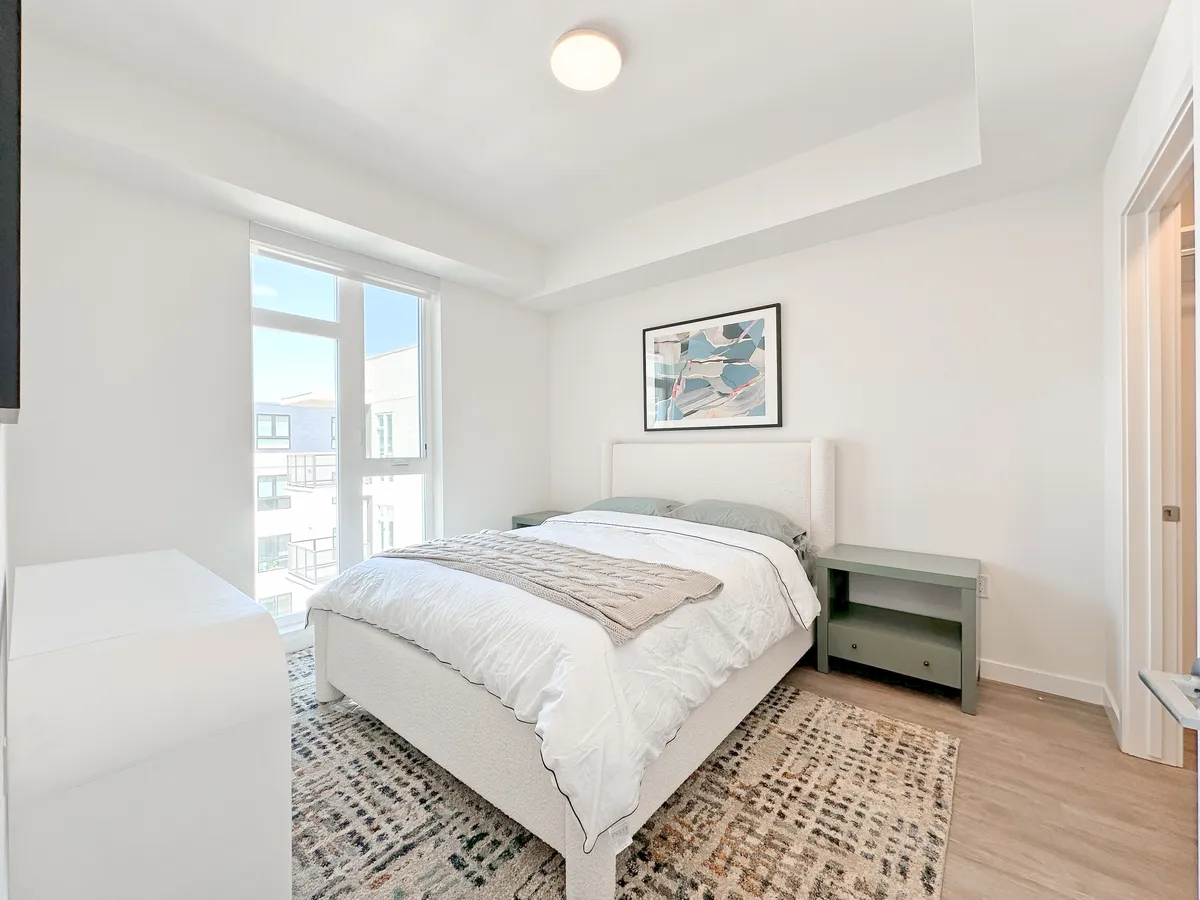
You can hear music from a karaoke lounge on one corner of 6th Street. Then you can walk two blocks east into a residential area with trees that feels almost like a suburb.
That difference at the block level is more important than the zip code.
What to Expect at Karaoke Bars and Nightlife
Koreatown is known for its karaoke scene. A lot of places stay open late, especially on weekends. You might not hear singing in your apartment, but you might see:
- More cars on the road after 10 PM
- Rides with Uber and Lyft
- People talking in groups on sidewalks
- Sometimes bass from nearby lounges
Most of the time, noise gathers:
- From Thursday to Saturday
- From 9 PM to 1 AM
If you work early in the morning or have young kids, it might not be a good idea to live right above or next to nightlife venues.
Are you a night owl? You might not even notice.
Traffic in Koreatown Late at Night
Koreatown stays busy late into the night, unlike quieter residential areas in Los Angeles.
Traffic on major roads like Wilshire Boulevard and Western Avenue is always moving, and it includes
- Buses in the metro
- Vehicles for ridesharing
- Drivers who deliver food
The Los Angeles Department of Transportation (LADOT) traffic data always shows more cars on Wilshire than on residential streets inside the city.
What this means for people who rent:
- Units on the corner that face busy roads are usually louder.
- Units facing the back or with an interior courtyard are much quieter.
- At night, parking garages can make noise that echoes.
Once more, it depends a lot on where you are.
How Building Construction Affects Everything
If noise is a problem, construction is more important than nightlife.
Buildings from before the 1970s
- Less thick walls
- Windows with only one pane
- More noise from the street
Buildings that have been fixed up or are new
- Windows with two panes
- Better insulation
- Doors to the balcony that are sealed
- Hallways inside (as opposed to walk-ups outside)
Many of the newer apartments in Koreatown have better soundproofing because builders know what people want in a city.
When you're on a tour, ask:
- Are there two panes of glass in the windows?
- Does the unit face the street?
- What level is it on?
You can learn more from those three questions than from any online reviews.
Who Usually Feels the Noise the Most?
How much noise you can handle depends on your way of life.
More sensitive to noise at night:
- Families with kids under 5
- People who work from home and need a quiet space during the day
- People who drive to work early in the morning
Not as sensitive:
- Students
- People who work in hospitality
- People who work at night
- People who like nightlife that is easy to walk to
This is why Koreatown is popular with renters who want energy and convenience over quiet suburbs.
How to Check Noise Before You Sign
Before signing a lease in Koreatown, here's what experienced renters do:
1. Go at Night
Take a tour of the unit in the evening, preferably on a Friday or Saturday. Daytime tours don't show how people act at night.
2. Stand still for three minutes.
Inside the unit. Shut the windows. Don't talk. What do you hear?
3. Look at the Unit Orientation
Units that face the courtyard are usually quieter than those that face the street.
4. Check out Google Maps
Look at what's right next door:
- Lounge?
- Restaurant open 24 hours?
- Where is the entrance to the parking structure?
That is more important than the area's averages.
How Rental Platforms Help Cut Down on Surprises
When looking for apartments in Koreatown online, detailed listings are helpful.
Established rental platforms, like Tripalink and others, usually offer:
- Plans for the floor
- Information about unit orientation
- Amenities in the building
- Contacts for professional management
For instance, some Koreatown buildings on Tripalink have secured entrances, rooftop spaces, and newer construction. These features often mean better sound control and insulation than in older walk-ups.
Renters can have more realistic expectations about noise if they know exactly what kind of building it is and what amenities it has.
The Truthful Bottom Line
So, how loud is the nightlife in Koreatown?
It all depends on the block and the building.
- Big streets: Busy, sometimes loud
- Side streets in residential areas: Noticeably quieter
- Newer buildings: Sound control is much better
- Above nightlife spots: Expect to be busy on the weekends
There is a lot going on in Koreatown. That's part of what makes it appealing. But it's not always loud, and many renters think the trade-off is worth it for being able to walk, eat, and get to the center of things.
Koreatown might not be the best place for you if you want complete silence. There are many Koreatown apartments that feel surprisingly comfortable and manageable if you like a balanced urban energy.
The key is not to avoid the area. It means picking the right block.
FAQs About Noise in Koreatown Apartments
1. Are Koreatown apartments too loud for families?
Not always. Units on side streets and on upper floors are usually much quieter than those facing busy nightlife areas. It helps to visit at night before signing.
2. Is Wilshire Boulevard louder than streets where people live?
Yes. Compared to blocks in the middle of neighborhoods, major streets like Wilshire and Western usually have more traffic and activity at night.
3. Do newer Koreatown apartments do a better job of blocking noise?
Yes, in general. Compared to older buildings, buildings with double-pane windows and modern insulation let in much less noise from the outside.

Try these popular nearby searches
- Pet friendly homes for rent in Koreatown
- Homes with Parking for rent in Koreatown
- Homes with Private Bathroom for rent in Koreatown
- Furnished homes for rent in Koreatown
- Homes with EV Charging for rent in Koreatown
- Homes with Washer/Dryer for rent in Koreatown
- Homes with Utilities-Included for rent in Koreatown
- Wheelchair Accessible homes for rent in Koreatown
- Homes under $800 for rent in Koreatown
- Homes under $900 for rent in Koreatown
- Homes under $1000 for rent in Koreatown
- Homes under $1200 for rent in Koreatown
- Homes under $1400 for rent in Koreatown
- Homes under $1500 for rent in Koreatown
- Homes under $2000 for rent in Koreatown
- Homes under $2500 for rent in Koreatown
- Homes under $3000 for rent in Koreatown
- Short Term for rent Koreatown
- Open House for rent in Koreatown
- Instant Move-in for rent in Koreatown
- Special Offer for rent in Koreatown
- Cheap homes for rent in Koreatown
- Luxury Apartments for rent in Koreatown
- Premier Koreatown Home Rentals
- Best homes for Rent in Koreatown
- 1 Bedroom homes for Rent Under $2,000 in Koreatown
- Coliving Spaces in Koreatown
- Pet friendly homes for rent in Koreatown
- Homes with Parking for rent in Koreatown
- Homes with Private Bathroom for rent in Koreatown
- Furnished homes for rent in Koreatown
- Homes with EV Charging for rent in Koreatown
- Homes with Washer/Dryer for rent in Koreatown
- Homes with Utilities-Included for rent in Koreatown
- Wheelchair Accessible homes for rent in Koreatown
- Homes under $800 for rent in Koreatown
- Homes under $900 for rent in Koreatown
- Homes under $1000 for rent in Koreatown
- Homes under $1200 for rent in Koreatown
- Homes under $1400 for rent in Koreatown
- Homes under $1500 for rent in Koreatown
- Homes under $2000 for rent in Koreatown
- Homes under $2500 for rent in Koreatown
- Homes under $3000 for rent in Koreatown
- Short Term for rent Koreatown
- Open House for rent in Koreatown
- Instant Move-in for rent in Koreatown
- Special Offer for rent in Koreatown
- Cheap homes for rent in Koreatown
- Luxury Apartments for rent in Koreatown
- Premier Koreatown Home Rentals
- Best homes for Rent in Koreatown
- 1 Bedroom homes for Rent Under $2,000 in Koreatown
- Coliving Spaces in Koreatown

